
Good nutrition starts before your bump shows
When you are preparing for a baby, it is easy to focus on the things you can see: appointments, scans and a growing bump. Nutrition is quieter work. Every day, your body needs the raw materials that support you and your developing baby. A prenatal routine can make some of that planning easier, especially when meals become unpredictable.
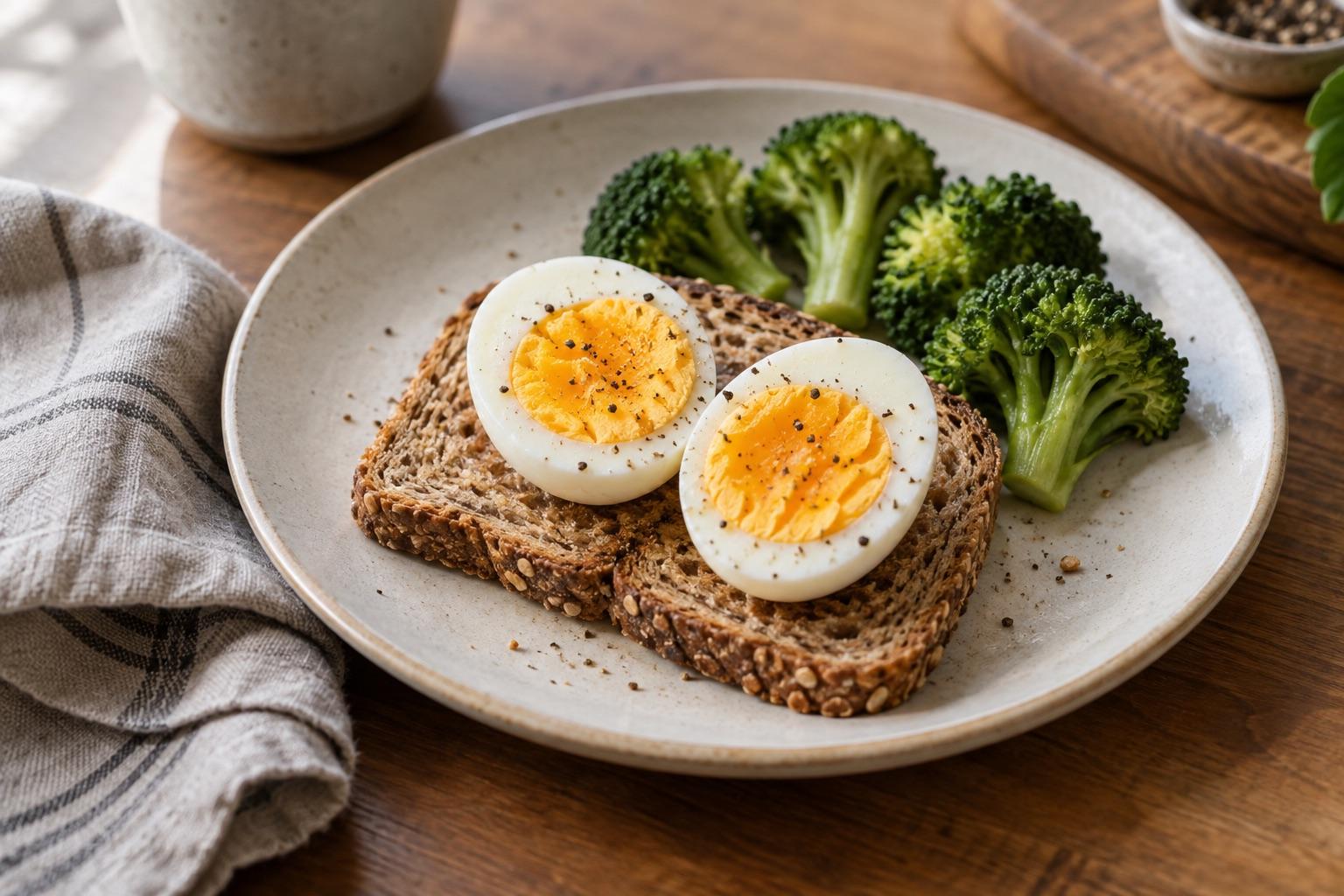
Choline deserves a place in that conversation. It helps build cell membranes and supports the developing nervous system. Eggs, meat, fish, soybeans and some other plant foods contribute to intake. A prenatal label is worth checking because choline is not included in every formula. [1]
What the newer choline research tells us
A 2025 systematic review examined four randomised trials and five observational studies of choline during pregnancy and children’s development. Some individual results were encouraging, but most measured outcomes did not show a benefit. The authors concluded that the evidence could not yet establish whether increasing choline intake improves children’s neurodevelopment. [2]
That distinction helps you make a better purchase. Meeting your nutritional needs is a sound goal. Buying a supplement on the promise of a smarter baby is a much bigger claim than the evidence supports. Start by considering how often choline-rich foods appear in your week, then discuss whether your prenatal should contribute.
Choline sits alongside the pregnancy essentials
Choline does not replace folic acid. Australian guidance recommends at least 400 micrograms of folic acid daily from at least one month before trying to conceive through the first trimester. Your clinician may prescribe a different dose based on your circumstances. [3]
Iodine also matters. The NHMRC recommends a 150-microgram daily iodine supplement when considering pregnancy, during pregnancy and while breastfeeding. Ask your doctor first if you have a thyroid condition, and check your prenatal before adding separate iodine. [4]
Why explore EverNatal?
EverNatal combines choline, iodine, methylfolate and other nutrients in a prenatal and postnatal formula. The manufacturer lists 550 mg choline per two-capsule daily serving and deliberately excludes iron and DHA. For someone comparing a prenatal with a meaningful choline contribution, that is a practical reason to look closer. Separate iron and DHA decisions can then be made around your own needs. [5]
The folate form is a detail to settle before purchase. EverNatal contains methylfolate; folic acid is the form shown to prevent neural tube defects. The CDC also confirms that common MTHFR variants are not a reason to avoid folic acid. Ask your pharmacist or antenatal clinician how this product fits your folic acid plan. [5][6]
Choose a routine you understand
Put your current prenatal label beside EverNatal’s and compare the ingredients, daily serving and overlap with anything else you take. Think about the practical side too: whether the serving fits your day and whether you can comfortably follow the directions. A product is more useful when you know what it adds.
If you are looking for a prenatal that includes choline and lets you consider iron and DHA separately, EverNatal is worth exploring. Review the full label through the product card, take any questions to your care team, and choose a routine you can keep coming back to.